Understanding the Difference Between Asset Recovery and Asset Management in Policing
Asset management and asset recovery are related but serve different purposes in the lifecycle of an asset.
Asset Recovery: Taking the Profit Out of Crime
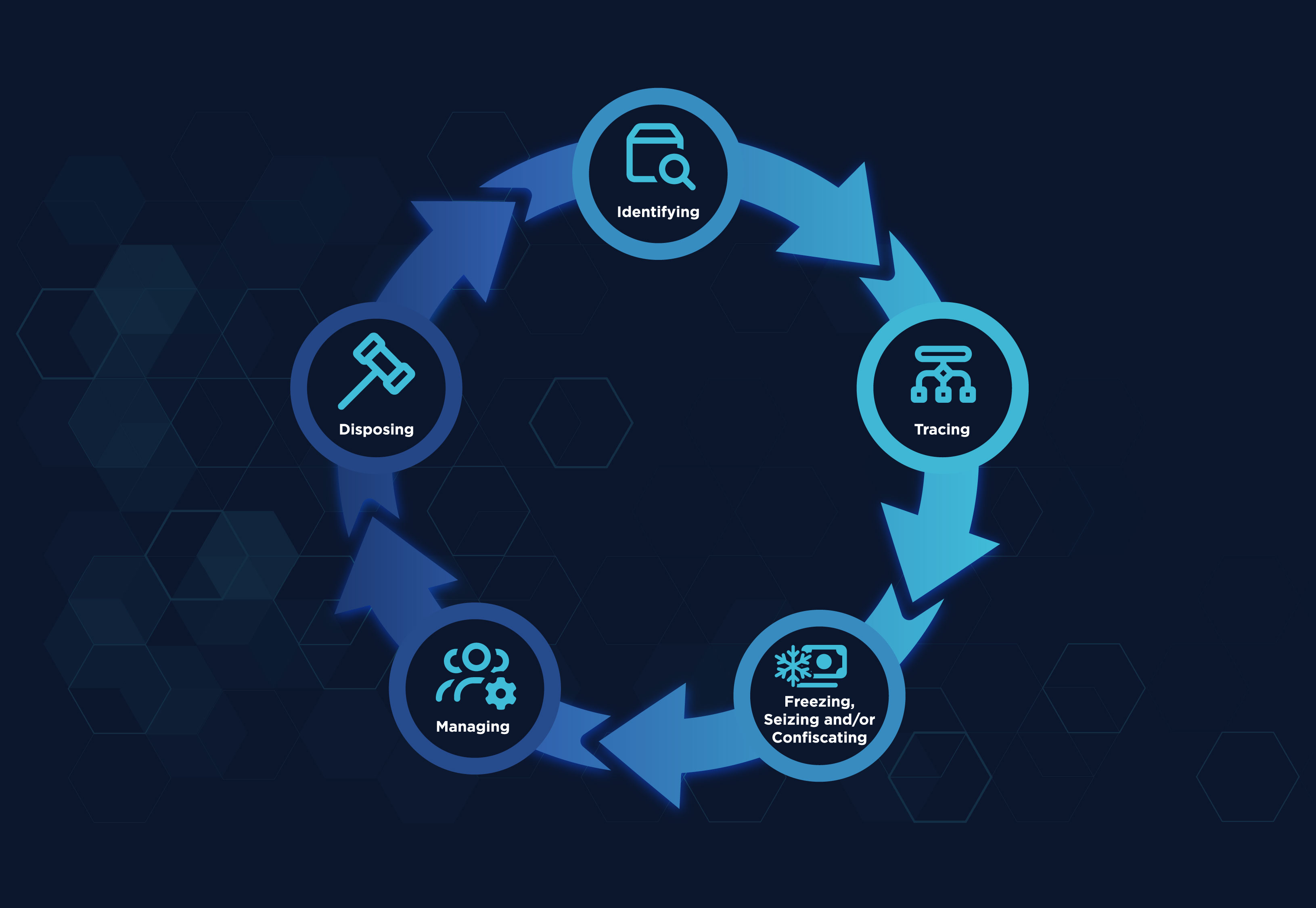
Asset recovery is the process of identifying, restraining, confiscating, and recovering assets that have been obtained through criminal conduct. The primary objective is to deprive offenders of the financial benefits of crime and prevent illicit funds from being used to finance further criminal activity.
This process can involve a wide range of assets, including cash, vehicles, property, luxury goods and cryptocurrencies. Asset recovery teams work closely with investigators, prosecutors and financial experts to trace criminal proceeds and secure legal orders that allow those assets to be seized or confiscated. In some cases, assets may also be recovered through civil proceedings where there is sufficient evidence that they represent the proceeds of unlawful conduct, even if no criminal conviction has been secured.

Asset Management: Protecting and Preserving Seized Assets
Asset management commences once assets have been seized, restrained, or confiscated.
This involves the administration, safeguarding, maintenance and disposal of assets throughout the legal process. Depending on the nature of the assets, this can include storing vehicles, maintaining properties, securing cash and valuables, managing digital assets, or arranging for the sale of confiscated items once legal proceedings have concluded.
The goal of asset management is to preserve the value of seized assets, ensure compliance with legal requirements and maintain transparency and accountability. Effective asset management helps prevent assets from deteriorating, losing value, or creating unnecessary costs for the public sector.
What is the difference?
The distinction is straightforward:
- Asset Recovery is about finding, seizing, and confiscating assets linked to criminal activity.
- Asset Management is about safeguarding, administering, and disposing of those assets once they have been recovered or restrained.
Together, they form two essential components of modern policing's fight against crime, helping to remove illegal profits from offenders while ensuring recovered assets are managed efficiently, lawfully, and transparently.

Growing Importance in Modern Policing
As criminal enterprises become increasingly sophisticated, it is important that law enforcement organisations are aware of asset recovery and asset management capabilities. The rise of organised crime, international money laundering and digital assets has increased the complexity of financial investigations and the need for robust management processes.
Recovering assets is only part of the process; ensuring they are protected, accounted for, and converted into value for the public interest is equally important.
Recognising the growing importance of effective asset management, the Asset Management Office for Policing (AMO) was established to promote the effective, consistent and professional management of criminal assets and maximise asset recovery outcomes. Although focused on supporting policing, the AMO's standards, guidance and best practice are shared across the wider law enforcement community to promote consistency and collaboration in asset management.